Swedish Lunch: The Meal Swedes Take Seriously
Why do Swedish restaurants start filling at 11:30 in the morning? Because lunch here is not the sad desk sandwich between two meetings. It is often the day's dependable hot meal, and Swedes do not wait until two to eat it.
Swedish lunch usually runs from about 11 a.m. to 1 or 2 p.m. At work, school, or a neighborhood restaurant, expect real plates: fish and potatoes, a casserole, meat with gravy, soup, pasta, or a vegetarian dish—often with salad, bread, water, and coffee nearby.
Dagens Rätt: Sweden's Best Lunch Deal
The phrase to know is dagens rätt, “the dish of the day,” often shortened to dagens. Restaurants offer a limited weekday lunch menu at a lower price than the evening menu.
What is included varies, so read the sign. A typical setup bundles the main dish with a self-serve salad bar, bread and butter, tap water, and sometimes coffee. You order at the counter, collect a number or tray, and move with the lunch crowd.
Say En dagens, tack—“Today's special, please”—and you have completed one of the most useful transactions in Swedish.
What Swedes Actually Eat for Lunch
The rotation mixes traditional husmanskost with food from everywhere else. On an ordinary week you might see:
- Pan-fried fish with boiled potatoes and dill sauce
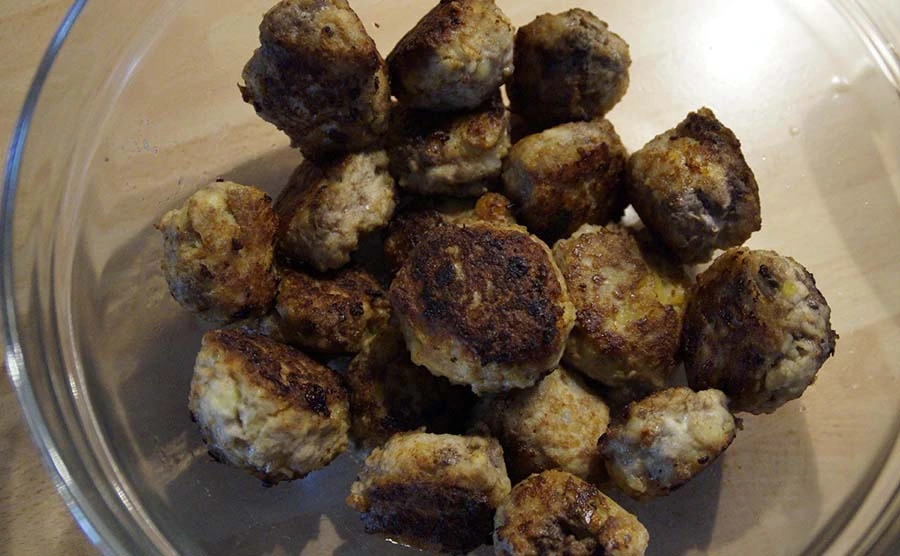
- Meatballs, cream gravy, lingonberries, and mashed potatoes
- Pannbiff, a seasoned beef patty with onions and gravy
- Pytt i panna, diced potatoes and meat topped with a fried egg
- Salmon, pasta, curry, or a vegetarian stew
- Soup with bread, especially when the weather turns cold
Swedish lunch is traditional without being trapped in amber. Thai curries, kebab plates, sushi, tacos, and plant-based dishes sit comfortably beside the meat-and-potato classics covered in what Swedes eat.

- Over 80 approachable recipes from Scandinavia
- By the owners of London's ScandiKitchen café
- Everyday dishes, open sandwiches, and baking
Thursday Belongs to Pea Soup and Pancakes
On Thursdays, old-school lunch restaurants bring out ärtsoppa och pannkakor: thick yellow pea soup followed by thin pancakes with jam and whipped cream.
The pairing has military, religious, and household stories attached to it, but the useful fact is simpler—the tradition survived. It still appears in restaurants, workplace canteens, and institutional kitchens across Sweden.
The pancakes are dessert, not a stack under bacon and maple syrup. Swedish pannkakor are thin and soft, somewhere between an American pancake and a French crêpe.
The Matlåda Economy
Not everyone buys lunch. The other great Swedish institution is the matlåda, literally “food box”: last night's dinner packed into a container and reheated at work.
Office kitchens commonly have refrigerators, microwaves, plates, and cutlery because bringing lunch is normal, not a sign that payday went badly. Cooking an extra portion at dinner is practically a household system.
A matlåda also explains why Swedish weeknight food favors dishes that reheat well—meatballs, stews, pasta bakes, sausage stroganoff, and rice dishes. The lunch has already been planned before breakfast begins.
Bread Is the Supporting Actor
Crispbread rarely has to carry the entire meal. Instead, knäckebröd with butter or cheese sits beside soup, salad, or a hot plate. Open sandwiches topped with egg, shrimp, cheese, ham, or cucumber can make a lighter lunch, but the classic weekday restaurant meal is cooked.

- Eight boxes: multi grain, whole grain, hearty rye, and sourdough
- The crispbread on practically every Swedish table
- Fat-free and non-GMO — built for butter, cheese, and kaviar
School Lunch Starts the Habit Early
Lunch culture begins in school. Swedish preschool and compulsory-school meals are expected to be nutritious and free, according to the Swedish National Agency for Education.
Menus vary by municipality and school, but pupils generally get a cooked lunch, vegetables or salad, bread, and milk or water. Vegetarian alternatives are part of the modern system. Generations grow up expecting the middle of the day to contain more than a bag of chips.
How to Lunch Like a Swede
Arrive before 12:30 if you want the widest choice. Look for signs saying dagens lunch, check what the price includes, and take only as much salad as you will eat. Lunch service is efficient; lingering for three hours is not the local sport.
Coffee after the plate is kaffe på maten. If it is included, pour a cup and sit for another ten minutes. That small pause is where lunch starts leaning toward fika, and nobody in Sweden is going to object.
The Swedish lunch formula is simple: eat early, eat something hot, and let dinner be the lighter question later. Once you adjust your clock, 11:30 stops feeling absurd and starts feeling overdue.